.webp)
Toca Boca World: The Art of Making Ordinary Days Unforgettable
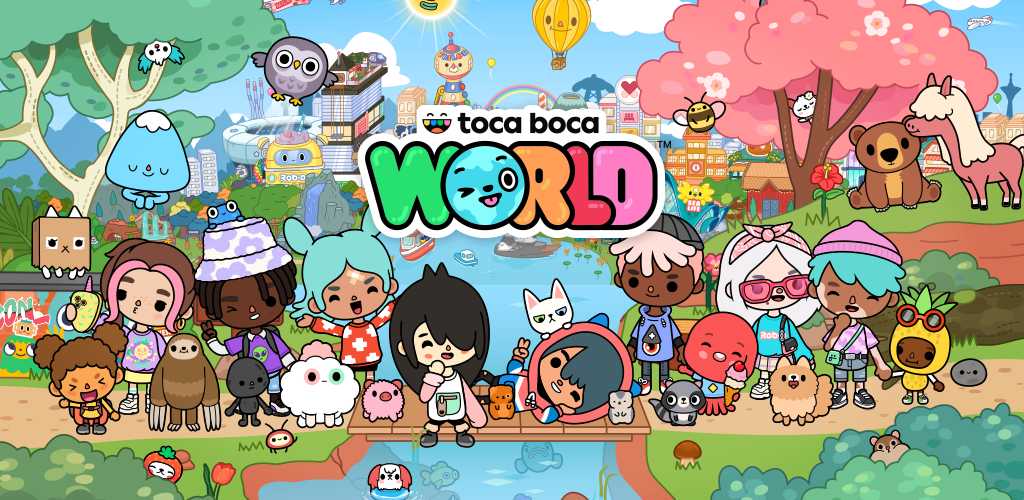
What if the most exciting adventure in Toca Boca World wasn’t hidden behind a quest, a difficult challenge, or a final boss, but waiting inside an ordinary day? A trip to the salon could turn into a celebrity makeover. A visit to the café could become a chaotic cooking show. Even a quiet afternoon at home could spark an entirely unexpected story.
Unlike games built around strict objectives, Toca Boca World gives players the freedom to create their own experiences. Its colorful locations, customizable characters, interactive objects, and open-ended environments provide the ingredients for countless stories—but the real fun comes from deciding what to do with them.
Instead of treating the world as a collection of places to visit, think of it as a giant story-making playground. These tips will help you turn everyday activities into imaginative adventures, create memorable characters, and build a world that feels uniquely yours.
1. Stop Exploring Randomly—Give Every Visit a Purpose
The world is full of places to discover, and it’s tempting to move from one location to another just to see what’s inside. But exploration becomes more interesting when you give yourself a small creative mission.
Your mission doesn’t need to be complicated. Choose one location and imagine something happening there. A grocery store might be preparing for a grand opening, a school could be hosting a talent show, or a hospital might be welcoming a very unusual patient.
Turn Locations into Story Settings
Try assigning a different role to each place:
- The café: A meeting spot for friends, a restaurant review, or a cooking competition.
- The school: A first day of class, a mystery involving a missing item, or a school festival.
- The salon: A makeover challenge, a celebrity visit, or a character’s dramatic new look.
- The hospital: A day in the life of a doctor, a funny checkup, or a story about helping a friend.
- The home: A family celebration, a sleepover, or a surprise party.
Create a Small Objective
Before entering a location, decide what your characters want to achieve. Maybe they need to prepare a birthday party before the guests arrive, find the perfect outfit for an event, or solve a problem that interrupts their day.
A simple objective gives your play session direction while leaving plenty of room for unexpected ideas.
2. Create Characters with Secrets, Habits, and Contradictions
A character becomes more memorable when they have a personality beyond their appearance. A stylish character might be afraid of public speaking. A serious-looking teacher might secretly love silly jokes. A famous singer could be desperate for an ordinary afternoon away from the spotlight.
These little contradictions make characters feel more believable and give you more possibilities for storytelling.
Build a Character Profile
When creating a new character, consider a few simple details:
- Personality: Are they shy, adventurous, dramatic, curious, or mischievous?
- Favorite activity: Do they love cooking, fashion, sports, music, or relaxing at home?
- Biggest worry: Are they nervous about making friends, trying something new, or being misunderstood?
- Personal secret: Is there something their friends or family don’t know about them?
- Current goal: What do they want to accomplish today?
Let Their Appearance Tell a Story
Use hairstyles, outfits, accessories, and facial expressions to communicate who a character is. A character dressed for a rainy day might be heading on an adventure, while someone wearing an elaborate outfit could be preparing for a special event.
You can also give characters signature items—such as a favorite bag, hat, or pair of shoes—that help make them recognizable across different stories.
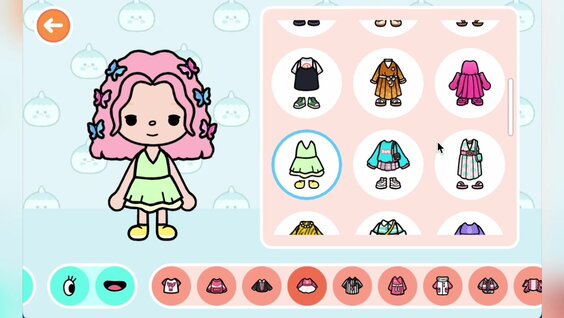
3. Turn Character Customization into a Fashion Challenge
Character creation is more than choosing a hairstyle and picking an outfit. It can become a creative challenge in which every detail supports a theme, personality, or moment in a character’s life.
Rather than dressing everyone in their favorite clothes, try creating outfits for specific situations.
Try These Style Challenges
- One Item, Three Looks: Choose one clothing item and build three completely different outfits around it.
- A Day in Their Life: Create a morning outfit, an everyday look, and an outfit for a special occasion.
- Opposite Personalities: Design two characters with contrasting styles, such as a minimalist and a maximalist.
- The Mystery Outfit: Choose an outfit first, then invent a character and backstory that suit it.
- Style Evolution: Give one character a different look for each chapter of their story.
Make Fashion Part of the Plot
A makeover can be the beginning of a story rather than its conclusion. Perhaps a character changes their style to feel more confident, prepares for a performance, or borrows an outfit that leads to an amusing misunderstanding.
When the outfit reflects what a character is experiencing, customization becomes part of the storytelling.
4. Design a Home That Reveals Who Lives There
A home can tell a story before a character even enters the room. The furniture, decorations, colors, and objects you choose can reveal a character’s interests, routines, and relationships.
Instead of decorating a house simply to make it look attractive, design it as a place where stories naturally happen.
Give Every Room a Personality
Think about the people who live in the home and how they use each space:
- Bedroom: A private space filled with hobbies, collections, favorite colors, and personal belongings.
- Kitchen: The center of family routines, cooking experiments, and conversations.
- Living room: A place for movie nights, parties, games, or unexpected visitors.
- Bathroom: A space for getting ready, practicing a new look, or preparing for a big day.
- Balcony or garden: A quiet corner for reading, relaxing, or planning the next adventure.
Add Signs of Everyday Life
Small details can make a home feel lived-in. Place books near a favorite chair, leave cooking ingredients in the kitchen, or arrange accessories around a character’s usual spot.
You can also create a home that changes over time. Add decorations for a birthday, rearrange a room after a character takes up a new hobby, or transform a spare room into a creative studio.

5. Make Every Object Part of an Unexpected Story
One of the most enjoyable ways to play Toca Boca World is to experiment with the objects around you. An item doesn’t have to be used in only one way. With a little imagination, ordinary objects can become props, clues, gifts, or the center of an entire storyline.
Start an Object-Based Story
Choose one object and make it important to the plot:
- A mysterious bag that nobody remembers packing.
- A cake that disappears just before a party.
- A strange gift that causes confusion among friends.
- A camera used to document a character’s unusual day.
- A special accessory that gets passed between different characters.
Move the object between locations and characters to create connections. A forgotten item in a bedroom might become the reason two characters meet at a café, while a gift bought at a store could lead to a surprise celebration at home.
Use Objects to Create Continuity
Keep a few important items consistent throughout your story. A character’s favorite accessory, a family photograph, or a treasured toy can appear in multiple scenes, helping different moments feel like parts of the same world.
6. Become the Director of Your Own Mini-Series
Instead of creating a new story every time you play, try building a series with recurring characters and connected events. This gives your world a sense of history and makes each new session feel like another episode.
You don’t need a complicated script. A simple beginning, problem, and ending are enough to get started.
Plan a Three-Part Story
Episode 1: The Setup
Introduce the characters, their relationships, and what they are planning. Perhaps a group of friends decide to organize a surprise party.
Episode 2: The Complication
Something unexpected happens. The decorations go missing, a guest arrives early, or the characters disagree about how to solve a problem.
Episode 3: The Payoff
Bring the characters together to resolve the situation. The ending could be funny, heartwarming, or even leave a mystery for the next episode.
Bring Back Familiar Characters
Recurring characters make your stories feel connected. Let their relationships change as events unfold. Friends might become rivals during a competition, strangers might become close friends, or a character who once needed help might eventually help someone else.
You can even create a simple timeline of important events so that your stories build on one another.
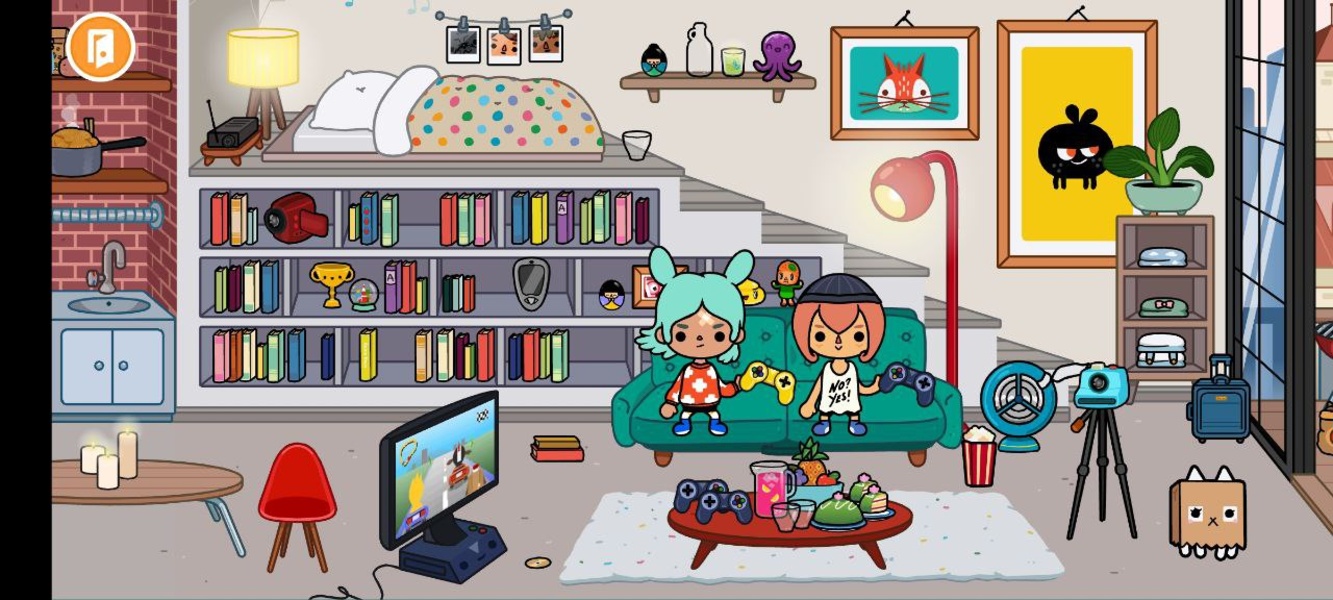
7. Turn Everyday Activities into Unusual Challenges
Ordinary activities can become more engaging when you add a playful rule or limitation. Challenges encourage you to use familiar locations and objects in new ways, even when you have already explored them many times.
Challenge Ideas to Try
- The No-Shopping Challenge: Create a character’s outfit using only items they already have.
- The One-Room Story: Tell a complete story without moving your characters out of a single room.
- The Random Role Challenge: Give each character an unexpected job or responsibility.
- The Surprise Guest: Introduce a new character halfway through a story and adapt the plot around them.
- The Five-Object Challenge: Choose five objects and build an entire scene around them.
Add a Twist
Once you become comfortable with a challenge, introduce a surprise rule. Maybe the characters must solve a problem before sunset, prepare an event with limited supplies, or switch roles halfway through the story.
The goal isn’t to win or finish as quickly as possible. It’s to discover new ways to play with the tools and spaces you already have.
8. Connect Different Locations to Build a Bigger World
A location becomes more meaningful when it is connected to other places. A character might leave home for school, meet a friend at a café, stop by a shop, and return home with a surprise. These transitions can make your stories feel like a small slice of a much larger world.
Create a Daily Route
Give a character a routine that takes them through several locations:
- Start the day at home and choose an outfit.
- Visit a location connected to their job, hobby, or studies.
- Meet another character somewhere unexpected.
- Stop at a shop or café to prepare for an upcoming event.
- Return home and show how the day has changed their plans.
Build Relationships Between Places
Think about how locations might connect. A character who works at a café could know someone from a nearby store. A student might visit a salon before a school event. A family could have a favorite place they visit every weekend.
These connections create opportunities for characters to meet naturally and allow one event to influence another.
https://toca-life-world-mod.en.malavida.com/android/
9. Capture Your Stories Like a Creative Director
Once you have created a scene, you can treat it like a moment from a television show, comic, or photo story. Taking time to arrange characters and objects can help you communicate what is happening without needing a long explanation.
Compose a Scene
Before capturing a moment, consider:
- The focus: Which character or object should attract attention?
- The action: What is happening at this exact moment?
- The setting: Does the background help explain the scene?
- The emotion: Should the moment feel funny, dramatic, peaceful, or surprising?
- The detail: Is there a small object or character reaction that makes the scene more interesting?
Create a Visual Sequence
Try arranging several moments in order: the characters preparing for an event, the unexpected problem, and the final reaction. A few carefully planned scenes can communicate an entire story.
If you enjoy sharing your creations, you can also use these scenes as inspiration for short videos, illustrated stories, or themed character collections.
10. Give Your World a Theme That Keeps Evolving
When you have many characters, homes, and locations, it can be fun to connect them through a larger theme. This gives your creative world a recognizable identity while leaving room for new ideas.
Your theme could be a family navigating a new town, a group of friends starting a creative club, a neighborhood preparing for a festival, or a series of stories about characters discovering new hobbies.
Build a World Around One Big Idea
Choose a theme and let it influence your characters, locations, and stories:
- A Neighborhood of Secrets: Every character has a hidden talent, unexpected connection, or personal mystery.
- The Creative Club: Friends explore different hobbies and help one another complete projects.
- A Year of Celebrations: Each story focuses on a different event, tradition, or milestone.
- The Newcomer’s Diary: Follow a character as they explore unfamiliar places and make new friends.
- The Unexpected Career: Characters try different jobs and discover surprising interests along the way.
Let the World Change
A creative world doesn’t have to remain frozen. Characters can develop new interests, friendships can change, homes can be redesigned, and new locations can become part of the story.
Keep a few ideas for future episodes or challenges. When you return to the game, you’ll have a starting point without needing to repeat the same activities.
Conclusion: The Best Stories Are the Ones You Invent
Toca Boca World is not just a collection of colorful places and customizable characters—it’s a space where small ideas can grow into entire stories. A simple outfit can reveal a character’s personality, a misplaced object can start a mystery, and an ordinary visit to a café can become the beginning of a new adventure.
The key is to play with intention without limiting your imagination. Give characters something to want, let unexpected events change their plans, and connect different places through shared experiences. Whether you’re designing a dream home, creating a mini-series, or inventing a completely unexpected challenge, the most memorable part of Toca Boca World is the world you make for yourself.