.webp)







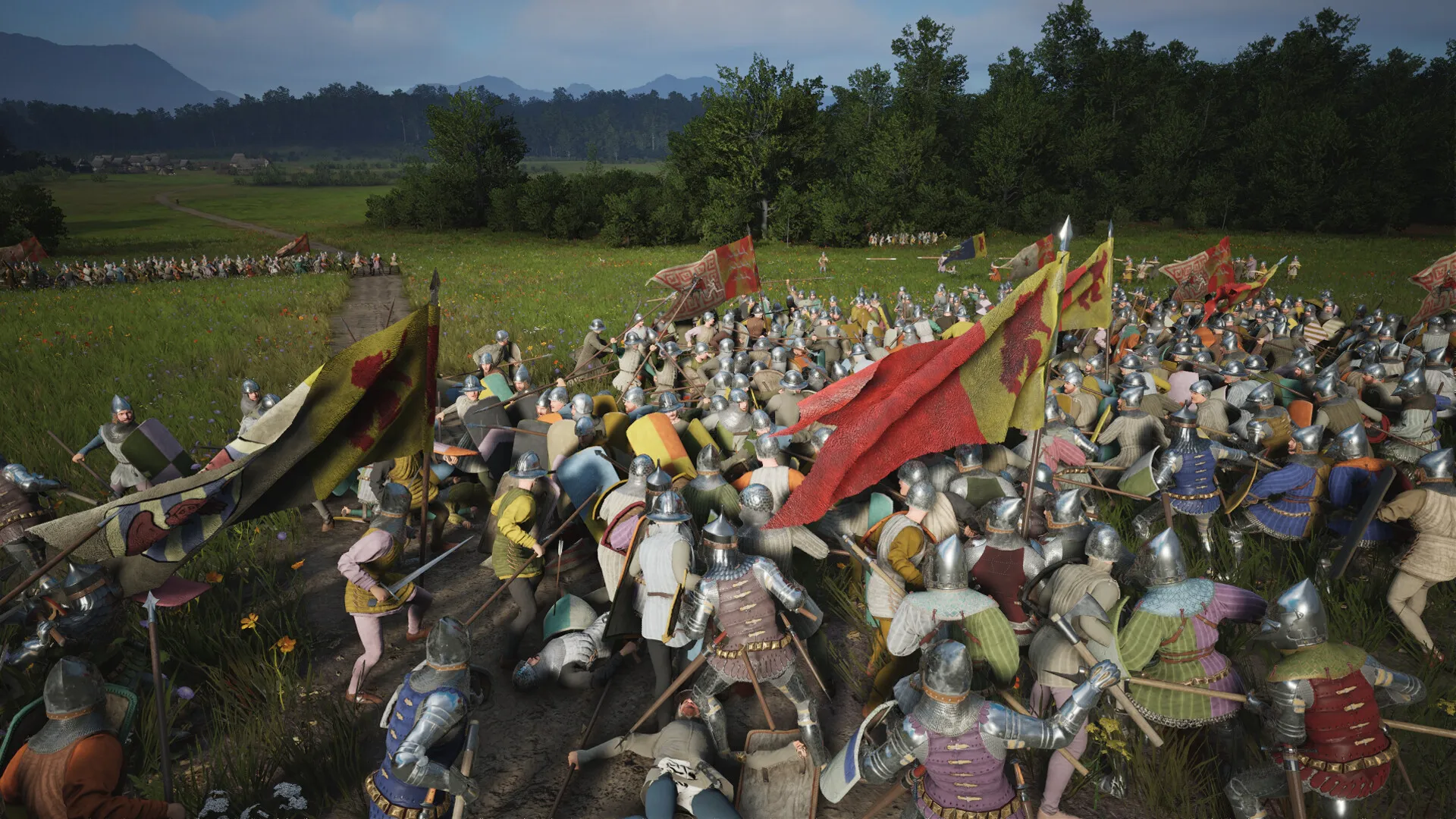
Manor Lords is a medieval city-building and real-time strategy hybrid developed by Grzegorz Styczeń and published by Hooded Horse. The game focuses on realistic settlement growth, economic logistics, and tactical warfare. Unlike traditional city builders, Manor Lords emphasizes organic town layouts, supply chains, and seasonal planning.
This guide is structured chronologically—from your first settlement to advanced regional management—so you can build a stable medieval economy, avoid early-game collapse, and expand into a prosperous lordship.
1. Understanding the Core Gameplay Loop
Manor Lords blends three major systems:
- Village building
- Resource logistics
- Military defense
Unlike grid-based city builders, construction follows organic medieval layouts. Roads, production buildings, and housing should grow naturally around resource hubs.
Core Early Resources
Your first settlement depends on:
- Timber
- Food
- Firewood
- Basic building materials
Early Survival Rule
Always prioritize:
- Food supply
- Fuel for winter
- Housing for villagers
Ignoring these essentials can cause population decline.
2. Choosing the Best Starting Location
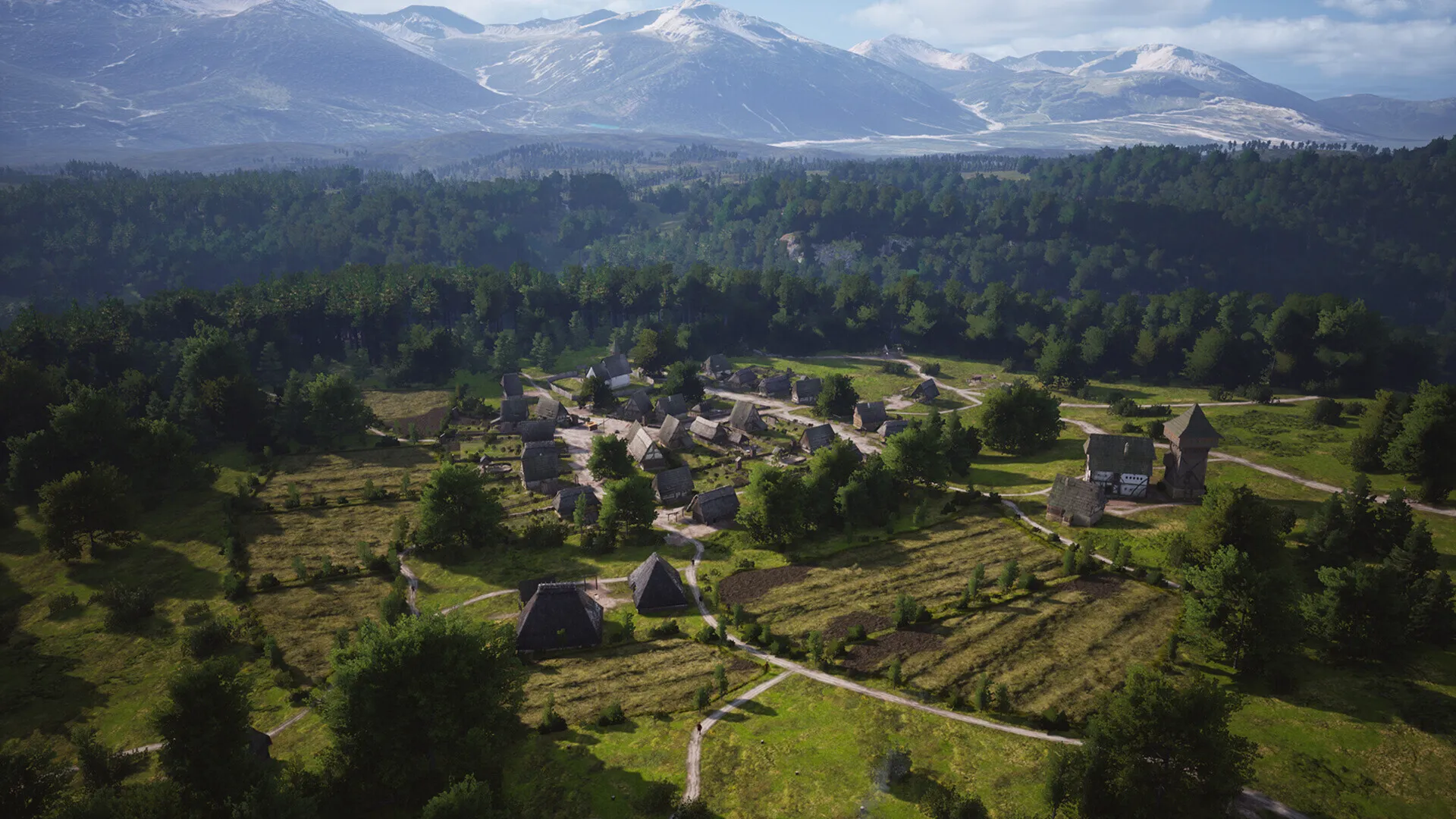
The starting region determines your early success.
Before placing buildings, inspect nearby resources carefully.
Ideal Starting Features
Look for areas with:
- Fertile farmland
- Forest resources
- Water access
- Hunting grounds
Avoid These Locations
Do not settle near:
- Poor soil fertility
- Sparse forests
- Long travel distances between resources
Good geography simplifies your economy.
3. First Buildings – Establishing a Stable Village
Your opening construction order determines early survival.
Recommended First Build Order
- Logging Camp
- Storehouse
- Granary
- Burgage Plots (houses)
- Hunting Camp or Foraging Hut
This structure ensures resources move efficiently while maintaining food supply.
Road Planning Strategy
Create simple road connections between:
- Storage
- Production buildings
- Housing
Minimizing walking distance increases productivity.
4. Food Production and Agricultural Planning
Food is the most critical system in Manor Lords.
Villagers require consistent supply through all seasons.
Early Food Sources
Use:
- Hunting camps
- Berry gathering
- Small farms
Farming Optimization
When transitioning to agriculture:
Choose crops like:
- Wheat
- Barley
- Flax
Rotate crops each season to maintain soil fertility.
Food Stability Formula
Maintain at least:
- 2 food sources per household
This prevents shortages during winter.
5. Housing Development and Population Growth
Housing determines population growth and tax income.
In Manor Lords, housing units are called Burgage Plots.
Burgage Plot Planning
Design plots with:
- Backyard space for gardens
- Animal pens for secondary food production
Housing Upgrade Benefits
Upgraded houses provide:
- More tax revenue
- Additional workforce
- Access to specialized production
Avoid upgrading too quickly if resources are limited.
6. Managing Supply Chains and Storage
Efficient logistics are crucial for a functioning village.
Poor storage placement causes workers to waste time transporting goods.
Storage Structure Roles
Two key buildings:
- Storehouse – tools, materials, crafted goods
- Granary – food and agricultural products
Efficient Supply Flow
Resource Node → Production Building → Storage → Market
Keeping this chain short increases efficiency.
7. Marketplaces and Citizen Needs
Once the village grows, citizens require goods to remain happy.
Marketplace stalls distribute essential resources.
Basic Marketplace Needs
Villagers expect access to:
- Food
- Firewood
- Clothing
Market Placement Strategy
Markets should sit centrally between:
- Housing clusters
- Storage buildings
This reduces delivery time and improves satisfaction.
8. Military Preparation and Defense
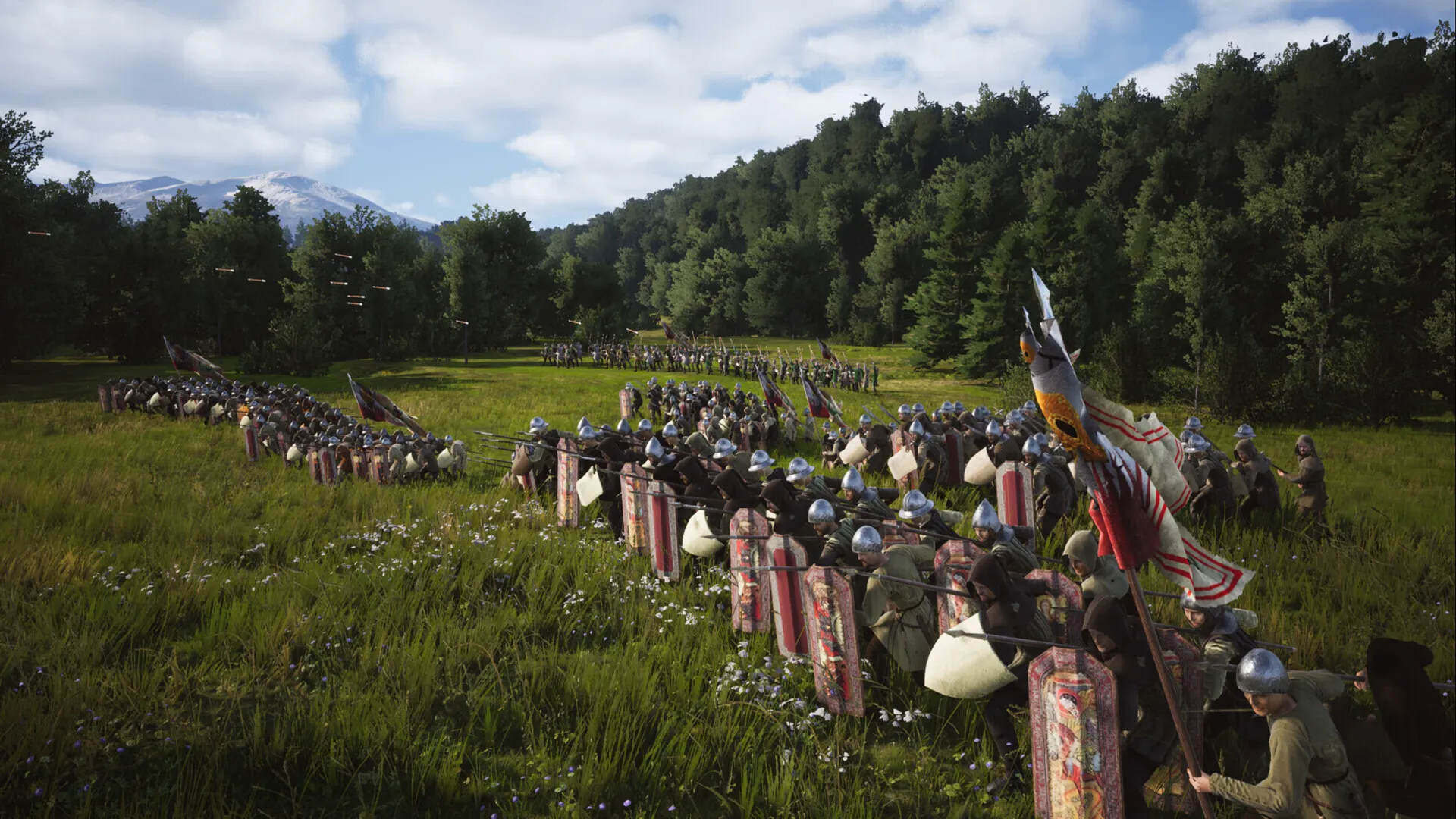
While Manor Lords focuses heavily on city building, military defense becomes critical once expansion begins.
Bandits and rival factions may threaten your territory.
Early Defense Strategy
Focus first on:
- Militia training
- Basic weapon production
Militia Composition
Early army units include:
- Spearmen
- Archers
- Light infantry
Use terrain advantages like forests and hills during combat.
9. Regional Expansion and Trade
Mid-game development unlocks regional expansion and trade routes.
Trade becomes essential for resources unavailable in your starting region.
Trade Strategy
Export surplus goods such as:
- Leather
- Wool
- Tools
Import rare resources when needed.
Regional Growth Plan
Expand slowly:
- Stabilize main village
- Secure trade income
- Develop new territories
Overexpansion causes supply chain collapse.
10. Endgame Optimization – Building a Prosperous Medieval City
In late game, the focus shifts from survival to efficiency and aesthetics.
Large towns require advanced planning.
Optimization Goals
- Short transport routes
- Specialized production districts
- Balanced food supply
District Planning
Divide your town into areas:
- Residential district
- Farming region
- Crafting workshops
- Trade market
Late-Game Stability
Maintain:
- High food reserves
- Strong militia presence
- Balanced economy
This allows your settlement to thrive long term.
Conclusion
Manor Lords offers a deep medieval simulation where planning, logistics, and patience determine success. Early survival depends on food production and resource gathering. Mid-game stability comes from efficient supply chains and housing management. Late-game mastery requires strategic trade, military preparedness, and optimized settlement layout.
Build slowly. Balance your economy. Expand only when stable.
Follow these principles, and your small village will grow into a powerful medieval city.