.webp)
Mastering Passenger Management in Dear Passenger: The Ultimate Guide to Maximizing Satisfaction and Completing Every Journey Efficiently
Introduction
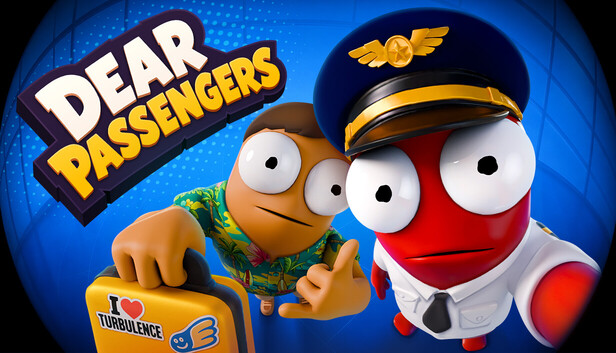
At first glance, Dear Passenger appears to be a relaxing management game centered around transporting passengers from one destination to another. However, as progression continues, players quickly realize that success depends on much more than simply completing routes. Every decision affects passenger satisfaction, resource efficiency, and long-term progression.
Many new players believe that moving passengers as quickly as possible is the best strategy. While speed is important, experienced players understand that efficiency, planning, and careful resource management consistently produce better results. A poorly planned journey can lead to dissatisfied passengers, wasted resources, and lower rewards, even if the destination is reached quickly.
This guide focuses specifically on one advanced topic: mastering passenger management by optimizing routes, maintaining passenger satisfaction, and improving operational efficiency throughout every stage of the game. Rather than covering basic mechanics, this guide explains the strategies experienced players use to maximize rewards while minimizing mistakes.
The first objective is understanding that every passenger has expectations. Some value speed, while others prioritize comfort, safety, or convenience. Recognizing these priorities early allows players to make better decisions throughout each journey.
Instead of reacting to problems after they occur, successful players anticipate challenges before the trip even begins. Careful preparation almost always leads to smoother journeys and better overall performance.
Understanding Passenger Priorities
Passengers are the heart of every journey.
Without satisfied passengers, progression slows considerably.
Many beginners focus entirely on reaching destinations while ignoring passenger experience.
Experienced players constantly monitor satisfaction levels.
Important factors include:
- Travel efficiency
- Comfort
- Waiting time
- Route consistency
- Safe transportation
Every journey should balance speed with reliability.
Passengers generally prefer predictable travel over chaotic but slightly faster routes.
Building Efficient Travel Routes
Planning is more important than improvisation.
Before beginning each trip, evaluate the entire route.
Look for:
- Shortest practical path
- Potential delays
- Resource requirements
- Alternative routes
Avoid unnecessary detours unless valuable rewards justify the additional travel.
An efficient route reduces operating costs while increasing passenger confidence.
As the game becomes more challenging, route optimization becomes one of the biggest factors separating experienced players from beginners.
Managing Resources During Long Journeys
Every successful trip depends on proper resource management.
Running out of critical supplies at the wrong moment can quickly reduce passenger satisfaction.
Always monitor:
- Fuel or energy
- Vehicle condition
- Essential supplies
- Available capacity
Avoid operating with minimal reserves.
Experienced players always maintain emergency resources to handle unexpected situations.
Preparation reduces panic and improves decision-making.
Maintaining High Passenger Satisfaction
Passenger satisfaction is influenced by many small decisions.
Minor mistakes accumulate over time.
Successful players pay attention to details.
Focus on:
- Smooth travel
- Minimal delays
- Reliable scheduling
- Comfortable conditions
Avoid unnecessary interruptions whenever possible.
Small improvements in service quality often generate larger long-term rewards than rushing individual trips.
Balancing Speed and Safety
One of the most common mistakes is prioritizing speed above everything else.
While faster journeys may appear more efficient, excessive risk often produces negative outcomes.
A balanced approach delivers better consistency.
Evaluate every decision based on both:
- Time saved
- Potential consequences
Reliable performance builds long-term success.
Handling Unexpected Events
Random events create additional challenges during longer journeys.
Experienced players remain flexible instead of following rigid plans.
When unexpected situations appear:
- Stay calm.
- Evaluate available options.
- Choose the safest practical solution.
Avoid making rushed decisions.
Recovering from small problems is much easier than creating larger ones through panic.
Vehicle Upgrades and Long-Term Progression
Vehicle improvements should support efficiency rather than appearance.
Prioritize upgrades that improve:
- Reliability
- Capacity
- Fuel efficiency
- Passenger comfort
Cosmetic improvements can wait until operational systems are stable.
Every upgrade should contribute directly to future success.
Choosing the Right Expansion Strategy
Growth should remain controlled.
Expanding too quickly often creates management problems.
Instead:
- Improve existing operations.
- Increase efficiency.
- Expand only when current systems become reliable.
Strong foundations support sustainable growth.
Managing Multiple Passenger Requests
As progression continues, multiple requests become increasingly common.
Successful players learn to prioritize effectively.
Consider:
- Passenger urgency
- Route compatibility
- Available resources
- Overall efficiency
Combining compatible requests often improves profitability.
Avoid accepting more responsibilities than can be managed comfortably.
Late-Game Optimization
Late-game success depends on refining existing systems rather than constantly expanding.
Review performance regularly.
Identify:
- Frequent delays
- Resource shortages
- Inefficient routes
- Passenger complaints
Small adjustments produce significant long-term improvements.
Experienced players constantly optimize rather than simply repeating old routines.
Conclusion
Mastering Dear Passenger requires much more than transporting travelers from one destination to another. Long-term success comes from intelligent planning, efficient route management, careful resource allocation, and consistently maintaining high passenger satisfaction. Players who focus on preparation, reliability, and continuous optimization will progress faster and complete increasingly challenging journeys with confidence. Every successful trip is the result of thoughtful decisions made long before the journey begins.